Tooth loss can impact everyday life in ways that go beyond appearance. It can affect chewing, speech, and overall confidence. Fortunately, modern dentistry offers a range of solutions designed to restore both function and aesthetics.
With advancements in dental technology, restoring missing teeth has become more precise, comfortable, and long lasting. Choosing the right solution depends on individual dental conditions, lifestyle, and long term goals.
Understanding Options
Tooth replacement treatments are designed to fill the gaps left by missing teeth while maintaining oral health and facial structure. Each option offers unique benefits and is recommended based on the extent of tooth loss and patient preferences.
A Tooth Replacement Implant is one of the most advanced solutions available today. It involves placing a titanium post into the jawbone, which acts as a strong foundation for an artificial tooth. This method closely mimics natural teeth in both function and appearance.
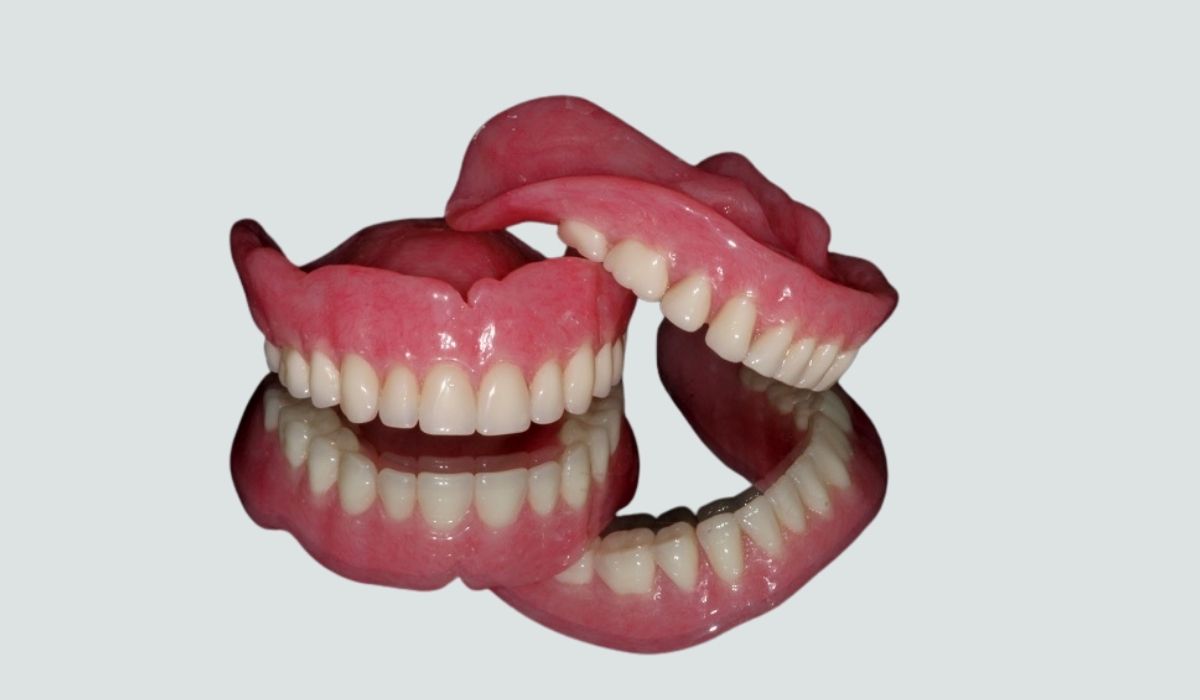
On the other hand, Complete Dentures are removable prosthetic devices used when all teeth in an arch are missing. They restore basic function and improve facial aesthetics, especially for patients who are not candidates for implants.
Key Benefits of Modern Tooth Replacement
Modern dental solutions are designed to enhance both comfort and durability. Some major benefits include:
- Improved ability to chew and speak clearly
- Enhanced facial structure and appearance
- Increased confidence in social interactions
- Long lasting results with proper care
- Support for overall oral health
Patients often choose permanent tooth repair options when they want a stable and durable alternative to temporary fixes. These solutions are designed to last for years while maintaining natural functionality.
Comparing Tooth Replacement Solutions
The following table highlights the differences between common tooth replacement methods:
| Feature | Implants | Dentures | Other Repairs |
| Stability | Fixed and secure | Removable | Varies |
| Longevity | Long lasting | Moderate | Depends on type |
| Comfort | Feels natural | May require adjustment | Moderate |
| Maintenance | Similar to natural teeth | Requires removal and cleaning | Standard care |
| Bone Preservation | Helps maintain bone | Does not prevent bone loss | Limited support |
Choosing the right method depends on factors such as oral health, budget, and personal comfort.
Who Can Benefit from These Treatments
Different tooth replacement options are suitable for different individuals.
You may benefit from these solutions if you:
- Have one or more missing teeth
- Experience difficulty in chewing or speaking
- Want to improve smile aesthetics
- Are looking for long term dental solutions
- Wish to maintain jawbone and facial structure
Patients exploring Permanent Tooth Replacement often prefer options that provide both durability and a natural appearance. Consulting a dental professional helps determine the most appropriate treatment plan.
The Treatment Process
The process of restoring missing teeth varies depending on the chosen method. However, most treatments follow a structured approach to ensure optimal results.
General Steps Include:
- Initial consultation and oral examination
- Diagnostic imaging and treatment planning
- Selection of suitable replacement option
- Procedure or fitting based on the chosen method
- Follow up care and adjustments
Each step is carefully planned to ensure patient comfort and long term success.
Caring for Your Restored Teeth
Maintaining restored teeth is essential for long lasting results. Proper care ensures both functionality and aesthetics are preserved over time.
Important Care Tips:
- Brush and floss daily to maintain oral hygiene
- Visit the dentist regularly for checkups
- Handle removable dentures with care
- Avoid excessive pressure on newly restored teeth
- Follow all aftercare instructions provided by your dentist
Consistent care helps extend the lifespan of your dental restorations and supports overall oral health.
Frequently Asked Questions
1. Which tooth replacement option is the most durable?
Implants are generally considered the most durable option when maintained properly.
2. Are dentures comfortable to wear?
Modern dentures are designed for comfort, though they may require an adjustment period.
3. How long does it take to complete tooth replacement?
The timeline depends on the method chosen, ranging from a few weeks to several months.
4. Can I switch from dentures to implants later?
Yes, many patients transition to implants if they become suitable candidates.
5. Is tooth replacement necessary for a single missing tooth?
Yes, replacing even one missing tooth helps maintain alignment and oral health.
Restore Your Smile with Confidence
Modern dental treatments provide reliable solutions for replacing missing teeth and restoring confidence. Whether you need a single tooth replacement or a full set restoration, the right approach can significantly improve your quality of life.
Chhabaria’s Dental Clinic offers advanced dental care with personalized treatment plans, ensuring patients receive effective and comfortable solutions for a healthier and more confident smile.