
Introduction
All-on-4 and All-on-6 dental implants are popular ways to replace missing teeth. Both options use dental implants to support a full set of replacement teeth. In fact, many people choose these treatments for a strong, natural-looking smile. While both methods restore your teeth, they have some key differences. Understanding these options can help you make the best choice for your dental health.
What Are All-on-4 Dental Implants?
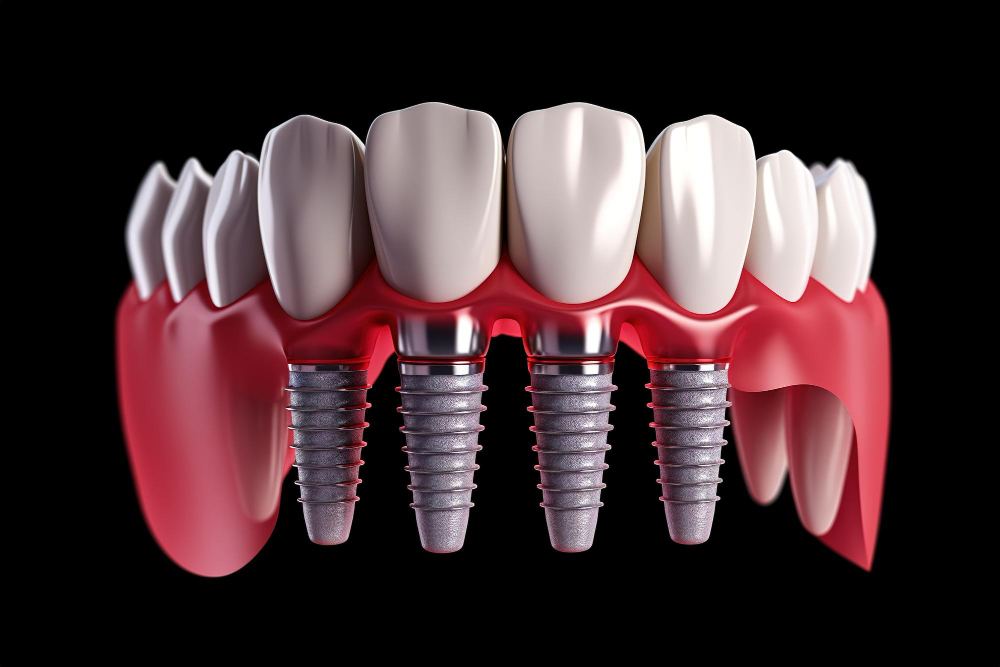
All-on-4 dental implants use four implants to support a full arch of teeth. Usually, a dentist places two implants at the front and two at the back of your jaw. Because of this design, All-on-4 can often work even if you have some bone loss. The implants hold a fixed bridge, which means your new teeth stay in place and do not move. Many patients like this option because it is less invasive than placing an implant for each missing tooth.
What Are All-on-6 Dental Implants?
All-on-6 dental implants use six implants to support a full arch of teeth. With two extra implants compared to All-on-4, this method can offer more support. Dentists often suggest All-on-6 for people who need extra stability or have enough bone in their jaw. The six implants anchor a fixed bridge, so your teeth feel secure. As a result, this option may last longer and handle more pressure from chewing.
The Procedure: Step-by-Step Overview
Both All-on-4 and All-on-6 dental implants follow similar steps. However, the number of implants differs. Here is what you can expect:
Most people can return to normal activities within a few days. However, healing can take several months.
Key Benefits of All-on-4 Dental Implants
All-on-4 dental implants offer many advantages. For example, they often require less bone than other methods. Here are some key benefits:
Because of these benefits, All-on-4 is a good choice for many people who want a quick solution.
Key Benefits of All-on-6 Dental Implants
All-on-6 dental implants also have strong benefits. With more implants, you may get even more stability. Here are some reasons people choose All-on-6:
As a result, All-on-6 is a good option for people who want long-lasting results.
Main Differences Between All-on-4 and All-on-6 Dental Implants
While both methods replace a full set of teeth, there are some important differences. Knowing these can help you decide which is best for you. Key differences include:
Because every mouth is different, your dentist will help you choose the right option.
Who Is a Good Candidate?
Not everyone is a candidate for All-on-4 or All-on-6 dental implants. However, many people with missing teeth can benefit. Good candidates usually:
Even if you have some bone loss, All-on-4 may still be possible. Your dentist will check your mouth and health history before recommending a treatment.
Risks and Considerations
Like any surgery, dental implants have some risks. Most people do well, but it is important to know what to expect. Possible risks include:
According to the American Dental Association, dental implants have a high success rate. Still, following your dentist’s advice can lower your risk of problems.
Aftercare and Recovery Tips
Proper care helps your new implants last. After surgery, you should:
With good care, All-on-4 and All-on-6 dental implants can last many years. Regular dental check-ups are important for keeping your new smile healthy.
Conclusion
To learn if All-on-4 or All-on-6 dental implants are right for you, schedule a visit at Chhabarias Oral Maxillofacial Surgery and Dental Clinic. Our team is here to guide you toward a healthy, confident smile.