
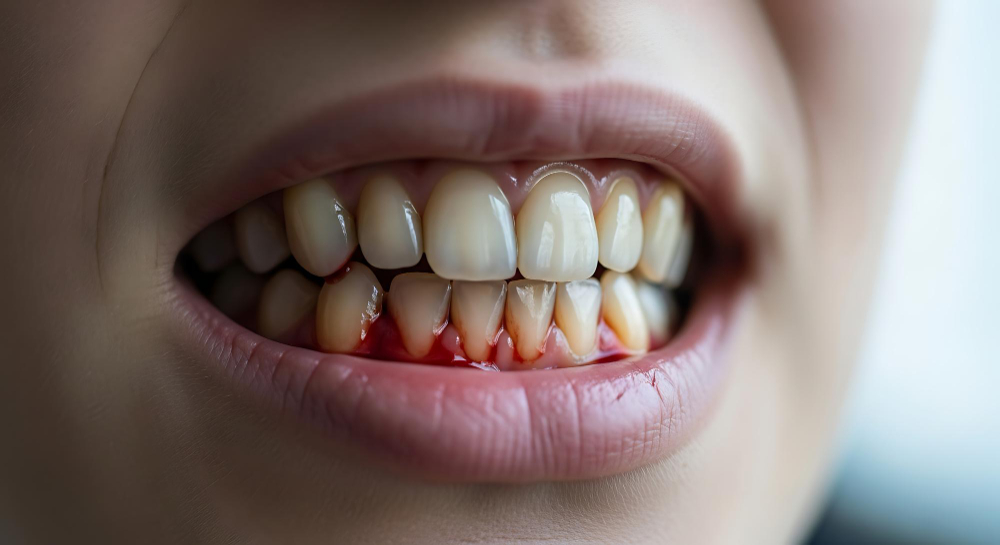
What Are Bleeding Gums?
Bleeding gums are a common dental problem. Often, they are a sign that your mouth needs care. Sometimes, you may notice blood when you brush or floss. This can be scary, but it is important to know why it happens. Bleeding gums can point to gum disease or other health issues. In many cases, early treatment can help stop the problem. Understanding the causes of bleeding gums, gum disease symptoms, and how to stop bleeding gums is key to keeping your mouth healthy.
Common Causes of Bleeding Gums
There are several reasons why gums may bleed. Knowing these causes can help you take action. For example, some causes are easy to fix, while others need a dentist’s help.
According to the CDC, nearly half of adults over 30 have some form of gum disease. This makes it important to watch for bleeding gums and act early.
Symptoms to Watch For
Bleeding is not the only sign of gum problems. In fact, other symptoms may appear before or along with bleeding. If you notice any of these, your gums may need attention:
For example, if your gums bleed and feel sore, it is wise to see a dentist soon.
How Dentists Diagnose Bleeding Gums
When you visit a dentist for bleeding gums, they will check your mouth carefully. First, they will ask about your brushing and flossing habits. Next, they will look for signs of gum disease or other problems. Sometimes, dentists use special tools to measure the space between your teeth and gums. This helps them see if gum disease is present. In some cases, they may order X-rays to check for bone loss. Early diagnosis can help prevent serious problems later.
Effective Treatments for Bleeding Gums
Treating bleeding gums depends on the cause. However, most treatments are simple and can help quickly. Your dentist may suggest:
According to the World Health Organization, good oral hygiene can prevent most gum problems. Therefore, following your dentist’s advice is important.
Prevention Tips for Healthy Gums
Keeping your gums healthy is easier than you think. With a few simple steps, you can lower your risk of bleeding gums. Try these tips:
In addition, teaching children good oral habits can help prevent gum problems in the future.
When to See a Dentist
Sometimes, bleeding gums can be a sign of a serious problem. If your gums bleed often or do not stop, you should see a dentist. Also, if you have pain, swelling, or loose teeth, do not wait. Early treatment can stop gum disease from getting worse. Remember, your dentist can help you find the cause and suggest the best treatment.
Consult a dentist at Chhabarias Oral Maxillofacial Surgery and Dental Clinic for personalized advice on bleeding gums.