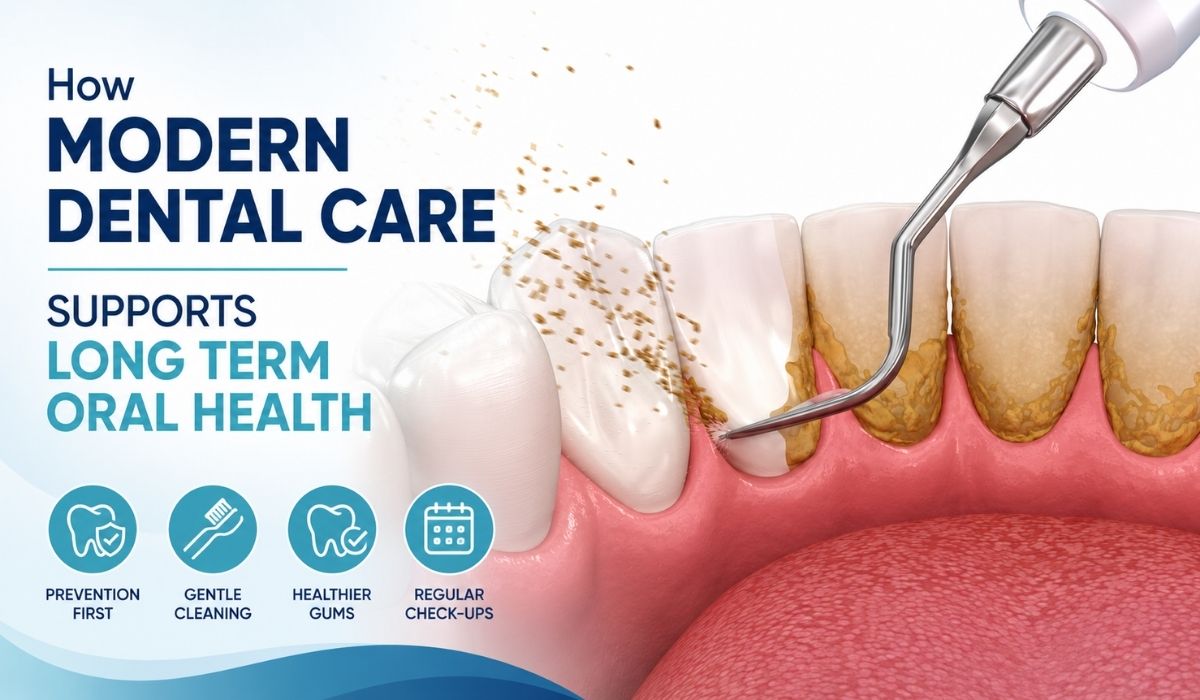
Maintaining good oral health is essential for overall well being. Modern dental care has evolved significantly over the years, offering advanced treatments and preventive solutions that help individuals preserve healthy teeth and gums for the long term. Regular dental visits, improved diagnostic tools, and advanced treatment methods now make it easier to identify and manage oral health concerns before they become severe. People seeking effective solutions for gum related issues often explore options such as Dental Gum Disease Treatment to protect their oral health and maintain strong teeth and gums.
The Importance of Preventive Dental Care
Preventive care is one of the most important aspects of modern dentistry. Early detection of dental issues allows professionals to treat problems before they progress into more complex conditions. Preventive care also reduces the likelihood of tooth loss, infections, and long term oral complications.
Common preventive dental practices include:
- Routine dental examinations
- Professional cleaning procedures
- Fluoride treatments
- Oral hygiene education
- Early cavity detection
These practices help maintain healthy gums and teeth while reducing the need for extensive restorative procedures in the future.
Advanced Treatments for Gum Health
Healthy gums are essential for maintaining overall oral stability. Gum disease can lead to inflammation, bleeding, tooth sensitivity, and even tooth loss if left untreated. Modern dentistry offers advanced methods that improve treatment precision and patient comfort.
Many people searching for the Best Gum Disease Treatment are now considering minimally invasive procedures that focus on preserving healthy tissue while controlling infection. Modern treatment approaches help reduce recovery time and improve long term oral outcomes.
Benefits of advanced gum care include:
| Treatment Feature | Oral Health Benefit |
| Early infection control | Reduced gum damage |
| Precision cleaning methods | Improved gum health |
| Minimally invasive procedures | Faster recovery |
| Advanced diagnostic tools | Better treatment planning |
| Personalized care approaches | Long term stability |
These improvements support healthier gums and help individuals maintain their natural teeth for a longer period.
The Role of Technology in Modern Dentistry
Technology has transformed the dental industry by improving diagnostic accuracy and treatment efficiency. Digital imaging systems, advanced scanning tools, and computer assisted procedures allow dental professionals to identify issues more effectively.
Modern dental technology contributes to oral health by:
- Detecting problems at an early stage
- Improving treatment precision
- Enhancing patient comfort
- Reducing procedure time
- Supporting better treatment planning
Digital advancements also help create customized treatment solutions for patients with different oral health needs. As technology continues to evolve, dental procedures are becoming safer, more accurate, and more comfortable.
Minimally Invasive Solutions for Better Recovery
Modern dental treatments increasingly focus on minimally invasive techniques that preserve natural tissue and reduce discomfort. One example is Dental Laser Treatment in the Mouth, which is widely used for soft tissue procedures, gum care, and bacterial reduction.
Laser based procedures offer several advantages:
- Reduced bleeding during treatment
- Faster healing time
- Greater treatment precision
- Reduced risk of infection
- Improved patient comfort
Minimally invasive methods are particularly useful for patients who experience anxiety during dental procedures. These treatments help improve overall patient experience while supporting faster recovery and better oral health outcomes.
Long Term Benefits of Consistent Oral Care
Good oral health requires consistent care and healthy daily habits. Modern dental care not only treats existing issues but also emphasizes long term maintenance and prevention.
Important habits for maintaining oral health include:
- Brushing teeth twice daily
- Flossing regularly
- Limiting sugary foods and beverages
- Visiting the dentist for routine checkups
- Addressing dental issues early
Consistent oral hygiene combined with professional care helps reduce the risk of gum disease, cavities, and tooth loss. Maintaining healthy gums and teeth also contributes to improved confidence, speech, and overall quality of life.
FAQs
Why is preventive dental care important?
Preventive dental care helps detect oral health issues early and reduces the risk of severe dental problems in the future.
What causes gum disease?
Gum disease is commonly caused by plaque buildup, poor oral hygiene, smoking, and untreated bacterial infections.
How does laser dental treatment help patients?
Laser treatment improves precision, reduces discomfort, minimizes bleeding, and supports faster healing during dental procedures.
Can modern dentistry help preserve natural teeth?
Yes, advanced dental treatments focus on early intervention and minimally invasive care to help maintain natural teeth for longer.
How often should someone visit the dentist?
Routine dental checkups are generally recommended every six months to monitor and maintain oral health.
Conclusion
Modern dental care plays a significant role in supporting long term oral health through preventive care, advanced technology, and minimally invasive treatment methods. These advancements help individuals maintain healthy gums, strong teeth, and improved overall well being. Treatments such as Laser Treatment For Gum Disease continue to improve patient comfort and treatment effectiveness in modern dentistry. Clinics like Chhabaria’s Dental Clinic contribute to this evolving field by supporting comprehensive oral care and advanced dental solutions for long term dental health.