
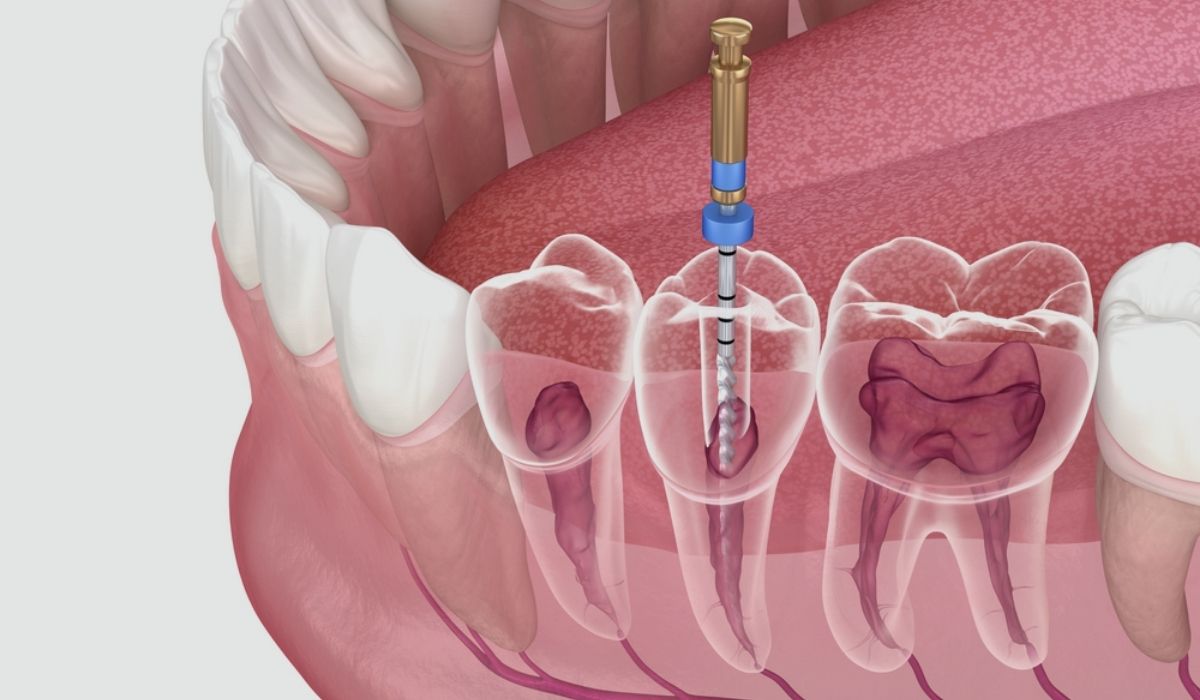
Dental discomfort often carries a layer of fear shaped by outdated information and exaggerated experiences. Among restorative dental procedures, few are surrounded by as many misconceptions as Root Canal Treatment In Ahmedabad. While this procedure is widely recommended to save severely infected or damaged teeth, myths frequently discourage individuals from seeking timely care. Understanding the facts behind these misconceptions helps patients make informed decisions and protect long-term oral health.
Modern endodontic care focuses on eliminating infection, relieving discomfort, and preserving natural tooth structure. Advances in anaesthesia, imaging, and precision instruments have transformed the experience into a predictable and comfortable process.
Myth: The Procedure Is Extremely Painful
One of the most common beliefs is that the procedure causes severe discomfort. This perception often stems from older techniques or second-hand stories. In reality, the procedure is designed to relieve pain caused by infection or inflammation within the tooth.
Fact
Local anaesthesia ensures that the area is numb during the procedure. Most patients report sensations similar to receiving a standard dental filling. The discomfort experienced before treatment, typically due to infection, is often significantly reduced once the infected tissue is removed.
Pain management protocols now include:
- Effective local anaesthetic techniques
- Modern rotary instruments for precision
- Controlled cleaning of infected tissue
- Post-procedure medication guidance
Advancements in dental technology have dramatically improved patient comfort.
Myth: Tooth Extraction Is a Better Option
Some individuals believe removing the affected tooth is simpler and more effective than preserving it. While extraction may appear straightforward, it can lead to long-term complications.
Fact
Preserving the natural tooth maintains alignment, bite balance, and jaw structure. Tooth loss can cause neighbouring teeth to shift, potentially leading to further dental issues. Saving the original structure helps maintain oral stability and prevents the need for additional restorative solutions such as implants or bridges.
Retention of natural teeth supports:
- Proper chewing function
- Jawbone integrity
- Aesthetic consistency
- Reduced long-term dental expenses
Conservation of natural anatomy remains the preferred approach whenever feasible.
Myth: The Procedure Requires Multiple Lengthy Visits
Another widespread assumption is that endodontic therapy demands numerous prolonged appointments.
Fact
Many cases can be completed in one or two visits, depending on the severity of infection and tooth complexity. Modern imaging and advanced cleaning instruments streamline the process, ensuring thorough disinfection in a shorter timeframe.
Treatment duration typically depends on:
- Degree of infection
- Tooth anatomy
- Presence of abscess
- Patient-specific healing response
Dentists tailor the approach to ensure effective and efficient care.
Myth: The Treated Tooth Becomes Weak and Fragile
It is often believed that a tooth undergoing this procedure becomes significantly weaker and prone to breakage.
Fact
While the removal of infected pulp alters the internal structure, reinforcement through restorative crowns strengthens the treated tooth. Proper restoration restores function and durability, enabling the tooth to perform effectively for many years.
Post-procedure restoration generally includes:
- Placement of a protective crown
- Sealing to prevent reinfection
- Bite alignment assessment
- Regular follow-up evaluations
With appropriate care, treated teeth can last as long as natural, unaffected ones.
Myth: Infection Always Returns
Some individuals fear that infection may recur even after thorough cleaning.
Fact
Reinfection is uncommon when proper hygiene practices and timely restoration are maintained. Modern sterilisation protocols and precise filling materials significantly reduce recurrence risk.
Preventive measures include:
- Maintaining regular dental check-ups
- Practising effective oral hygiene
- Avoiding excessive pressure on treated teeth
- Addressing minor dental issues promptly
Consistent care ensures sustained oral health.
Myth: The Procedure Causes Illness
Outdated theories once suggested that endodontic therapy could lead to systemic illness. These claims have been scientifically disproven.
Fact
Extensive research confirms that removing infected tissue eliminates harmful bacteria rather than spreading them. Modern dental procedures adhere to stringent sterilisation standards, ensuring patient safety.
Scientific advancements reinforce:
- Effective infection control
- Safe dental materials
- Sterile clinical environments
- Evidence-based protocols
Current practices prioritise both oral and overall health.
Myth: Only Severe Pain Requires Treatment
Some assume that absence of intense discomfort indicates no need for intervention.
Fact
Infections may develop without significant symptoms. Mild sensitivity or intermittent discomfort can indicate deeper issues. Early intervention prevents complications and preserves natural tooth structure.
Warning signs may include:
- Persistent sensitivity to hot or cold
- Swelling near the gumline
- Discolouration of a tooth
- Tenderness while chewing
Prompt evaluation ensures timely management.
The Importance of Timely Intervention
Delaying treatment can allow infection to spread to surrounding tissues or bone. Early care minimises complications and supports quicker recovery.
Benefits of timely management include:
- Prevention of abscess formation
- Reduced inflammation
- Lower risk of systemic spread
- Preservation of adjacent teeth
Proactive care protects long-term oral health.
Conclusion
Misconceptions surrounding endodontic therapy often create unnecessary fear. In reality, modern procedures are designed to relieve pain, eliminate infection, and preserve natural teeth safely and effectively. Advances in anaesthesia, technology, and sterilisation protocols have transformed the patient experience into a comfortable and reliable solution for infected teeth.
For individuals seeking Painless Root Canal Treatment in Ahmedabad, Chhabaria’s Dental Clinic offers structured, evidence-based dental care focused on patient comfort and long-term oral wellness. Accurate information and timely intervention remain the key to preserving a healthy smile.